

Understanding How Artifacts Are Cataloged and Classified
Artifact identification is a fundamental process in archaeology and museum curation. This example collector packet demonstrates how we as professional collectors document, classify, and evaluate artifacts using a systematic approach.
How to Read This Collection
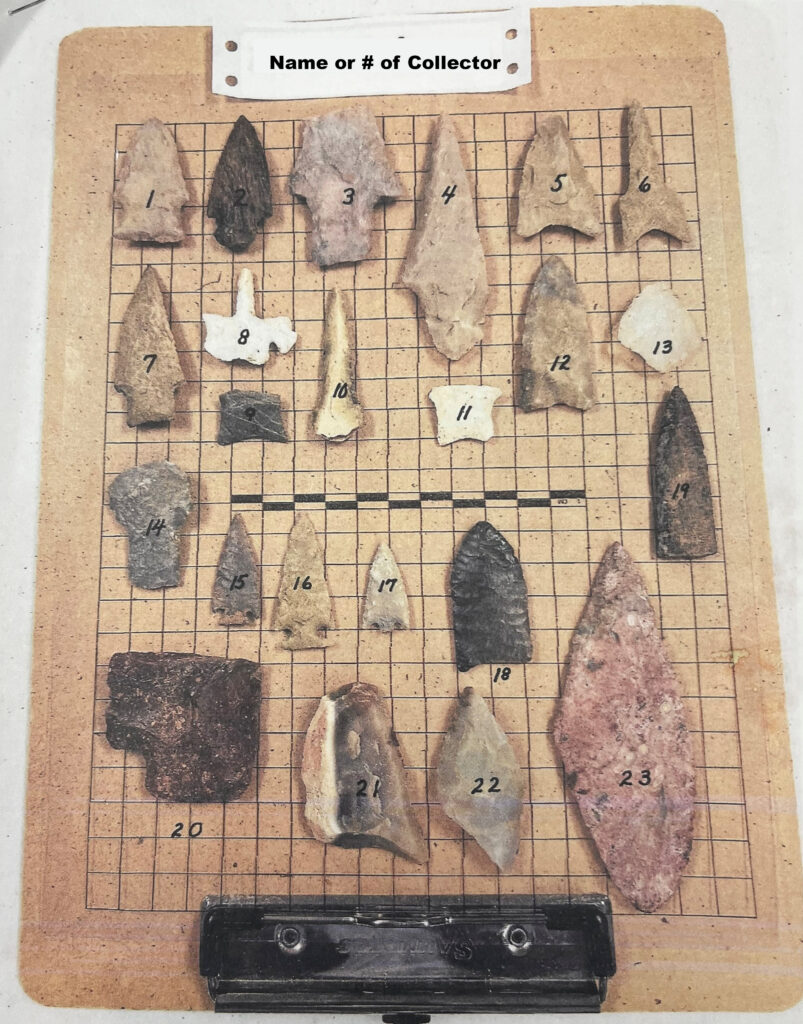
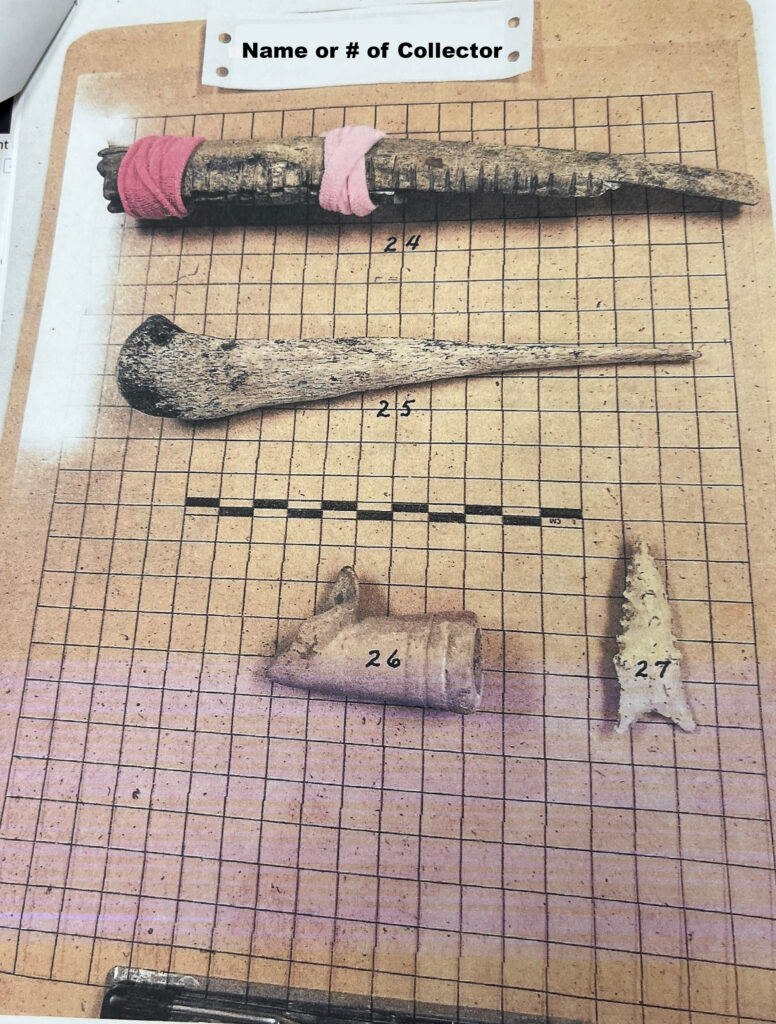
The packet below presents a practical example of artifact identification methodology:
Scaled Images: Each artifact is shown at a consistent scale to allow for accurate size comparison and visual assessment. High-quality photography captures diagnostic features—surface texture, wear patterns, color variations, and construction methods—that are essential for proper identification and dating.
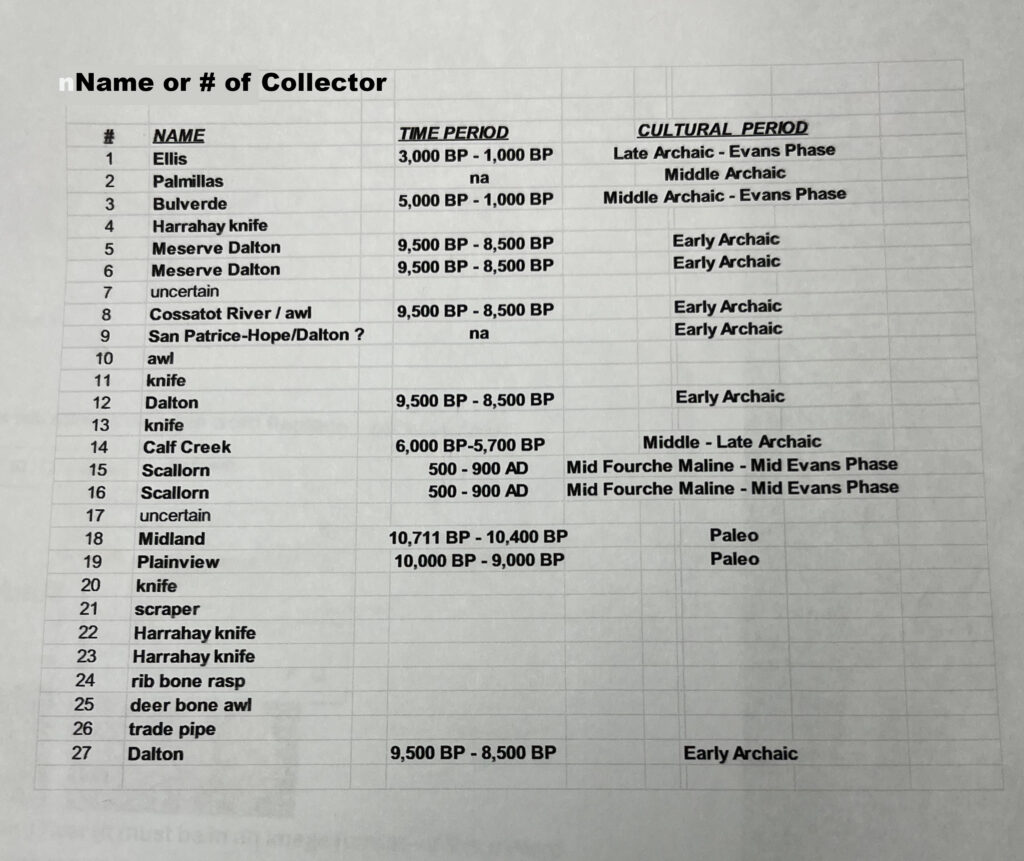
Comprehensive Classification Table: Accompanying the images is a detailed inventory table that includes:
- Artifact Names: The specific classification or type designation
- Reference Numbers: Unique identifiers for cataloging and archive purposes
- Time Periods: Estimated date ranges based on archaeological context, stratigraphy, or scientific dating methods
- Cultural Period Evaluation: The cultural tradition or civilization associated with each artifact, helping contextualize its significance within a broader historical narrative
Why This Matters
This systematic approach allows researchers, educators, and enthusiasts to:
- Verify identifications through standardized documentation
- Compare diagnostic features across similar artifacts
- Understand chronological sequences and cultural development
- Create searchable, organized collections for research and education
Bring your artifacts to one of our monthly events to receive a detailed packet with aging information and anything else we can find related to your particular artifact.
Our comprehensive collector packets will be progressively made available online, ensuring broad public access to our research collection.